Supplier Evaluation for Claw Machine and VR Game Machine Buyers: A Capability Checklist
Supplier Evaluation for Claw Machine and VR Game Machine Buyers: A Capability and Delivery Checklist
A claw machine or VR game machine order should not be placed until four questions are answered in writing: which documents the manufacturer can produce, whether the factory can hold the specification, when the goods will actually ship, and what support exists after installation. This checklist turns those four questions into a repeatable supplier evaluation process for arcade, FEC and distribution buyers.
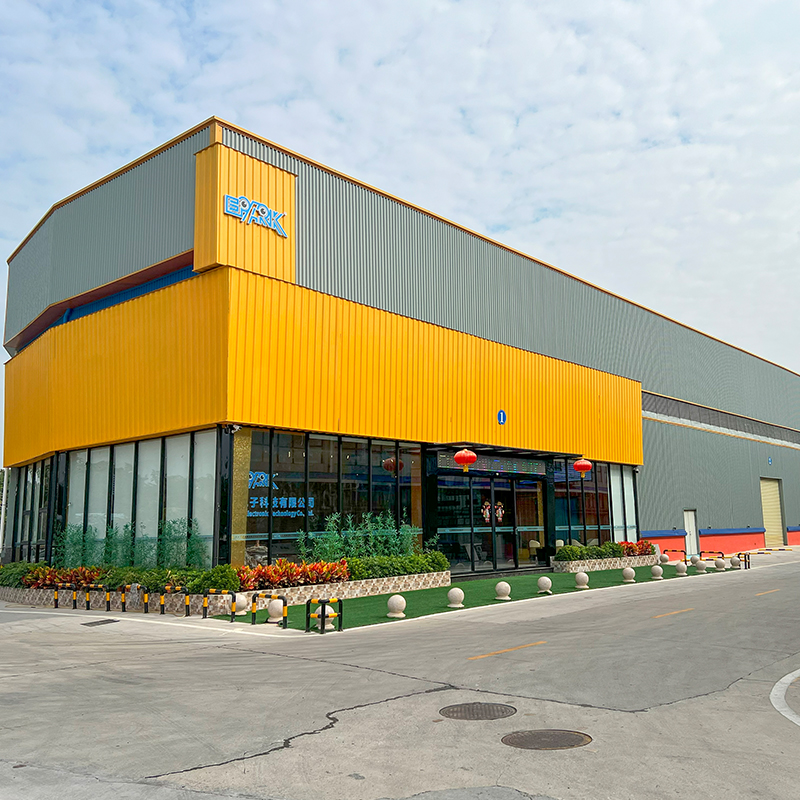
EPARK factory (2) — production and assembly base in Panyu, Guangzhou.
Buyers who reach the decision stage usually already know which configuration they want: a coin operated claw machine for a mall corridor, a plush toy claw machine bank for a family entertainment center, a capsule claw machine or candy claw machine for a smaller footprint, or a smart claw machine with card-reader payment. The remaining risk sits almost entirely on the supplier side.
A supplier evaluation converts supplier claims into evidence a buyer can hold — certificates, factory data, production records, shipping schedules and spare-parts commitments. The checklist below is written for commercial claw machine and VR simulator programs, and it scales from a five-machine venue order to a multi-country rollout.
Problem Definition: Why Arcade Procurement Breaks Down at the Decision Stage
Four failure patterns repeat across claw machine and VR game machine procurement, and none of them are visible in a quotation:
- Documentation gaps. The model meets the destination market's safety requirements on paper, but the supplier cannot produce model-specific safety documents, electrical specifications or warranty terms in writing.
- Capacity assumptions. The supplier shows a showroom and a finished cabinet, but cannot demonstrate that the production line can hold the ordered specification at the ordered volume.
- Delivery drift. The delivery date is agreed verbally and never mapped to production milestones, buffer stock or shipping documentation.
- Support gaps after installation. Spare parts, technical support and after-sales responsibility stay unclear once the container has left the factory.
A unit price and a delivery promise are the two easiest items for a supplier to produce and the two hardest for a buyer to verify. That is why the framework below is built around four evidence gates rather than a price comparison alone.
Industry Background: A Larger Market Means More Suppliers to Screen
The global claw machine market was valued at approximately USD 2.66 billion to 2.8 billion in 2024–2025, with projections to reach over USD 5.1 billion by 2032–2034, according to Dataintelo and Verified Market Research. Published estimates differ — Global Information, Inc. places the same period closer to USD 2.0 billion — so any single market figure is better treated as directional than exact.
Asia Pacific accounted for a 42.7% revenue share of the claw machine market in 2025, driven by demand in China, Japan and South Korea. Within the product mix, middle-type claw machines held the largest type segment at 44.2% of the global market in 2025 — a useful reference point when estimating which configurations your own floor plan will compete against.
On the supply side, China's Panyu district in Guangzhou is widely described as a manufacturing hub for claw machines, with production systems modeled on TPS-style practices (Fun-Space Industry Report / Bleegame). Internationally recognized participants named in market research include Elaut NV (Belgium), Smart Industries Corp (US), Sega Corporation (Japan) and Bandai Namco, which buyers can use as a shortlist reference alongside direct-from-factory programs.
The practical implication for decision-stage buyers is straightforward: a growing market attracts more suppliers per order, and the difference between them shows up in documentation, production data and delivery discipline rather than in the cabinet photograph.
The Four-Gate Supplier Evaluation Framework
Evaluate in four gates, in this order: documentation, production readiness, delivery planning, and risk mitigation. Each gate should produce a document you can file. A supplier that clears the first two gates but not the third is a scheduling risk; a supplier that clears all four is a program partner.
| Gate | What to verify | Evidence to request |
|---|---|---|
| 1 — Documentation | Safety compliance for the destination market, model-specific electrical specifications, warranty terms | Manufacturer profile, safety documentation aligned with IEC 60335-2-82, CE marking file where applicable, cabinet and electrical drawings |
| 2 — Production readiness | Real manufacturing footprint, engineering depth, output capacity against the order volume | Factory audit or live video tour, floor area, headcount, R&D engineers, annual output range |
| 3 — Delivery planning | Production milestones, buffer stock, shipping terms and export experience | Written schedule, production schedule control process, buffer stock policy, export records by region |
| 4 — Risk mitigation | Quality, delay, after-sales and payment risk controls | Incoming material inspection records, pre-shipment test process, after-sales and spare-parts commitment |
Gate 1 — Documentation Review
Compliance is not a formality; it is the fastest filter between a manufacturer and a trading intermediary. Amusement machines intended for public use are generally expected to meet safety standards specific to that category, and IEC 60335-2-82 is the standard that specifically covers the safety of amusement machines and personal service machines for public use. Ask for the safety file for the exact model ordered, plus the electrical specification and a written warranty statement — not a generic certificate image.
Gate 2 — Production Readiness
Production readiness is measured in numbers, not impressions. Guangzhou EPARK Electronic Technology Co., Ltd. (EPARK), founded in 2016 and based in Panyu, Guangzhou, operates a 25,000 m² showroom and factory with 150 employees, including a 20-engineer R&D team, and reports an annual output of 8,000–10,000 units. Around 80% of output is exported to the EU, USA, Middle East, Africa, South America and Southeast Asia. EPARK's product range covers claw machines, air hockey tables, basketball machines, boxing machines, VR simulators, racing arcade machines, shooting game machines, ticket redemption machines, kids game machines and indoor playground equipment — relevant when a venue wants one supplier for a mixed arcade floor.
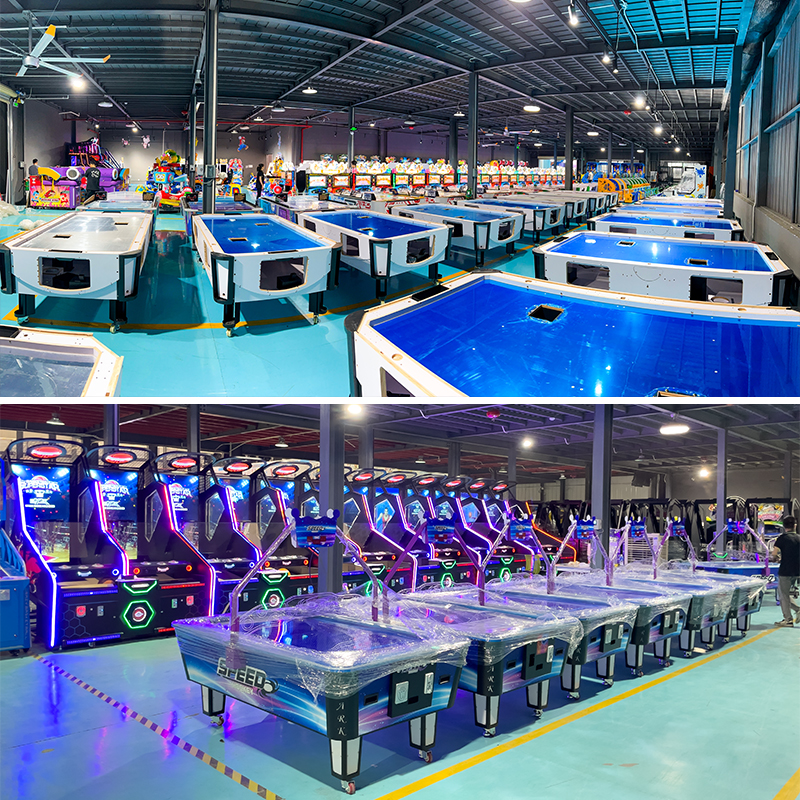
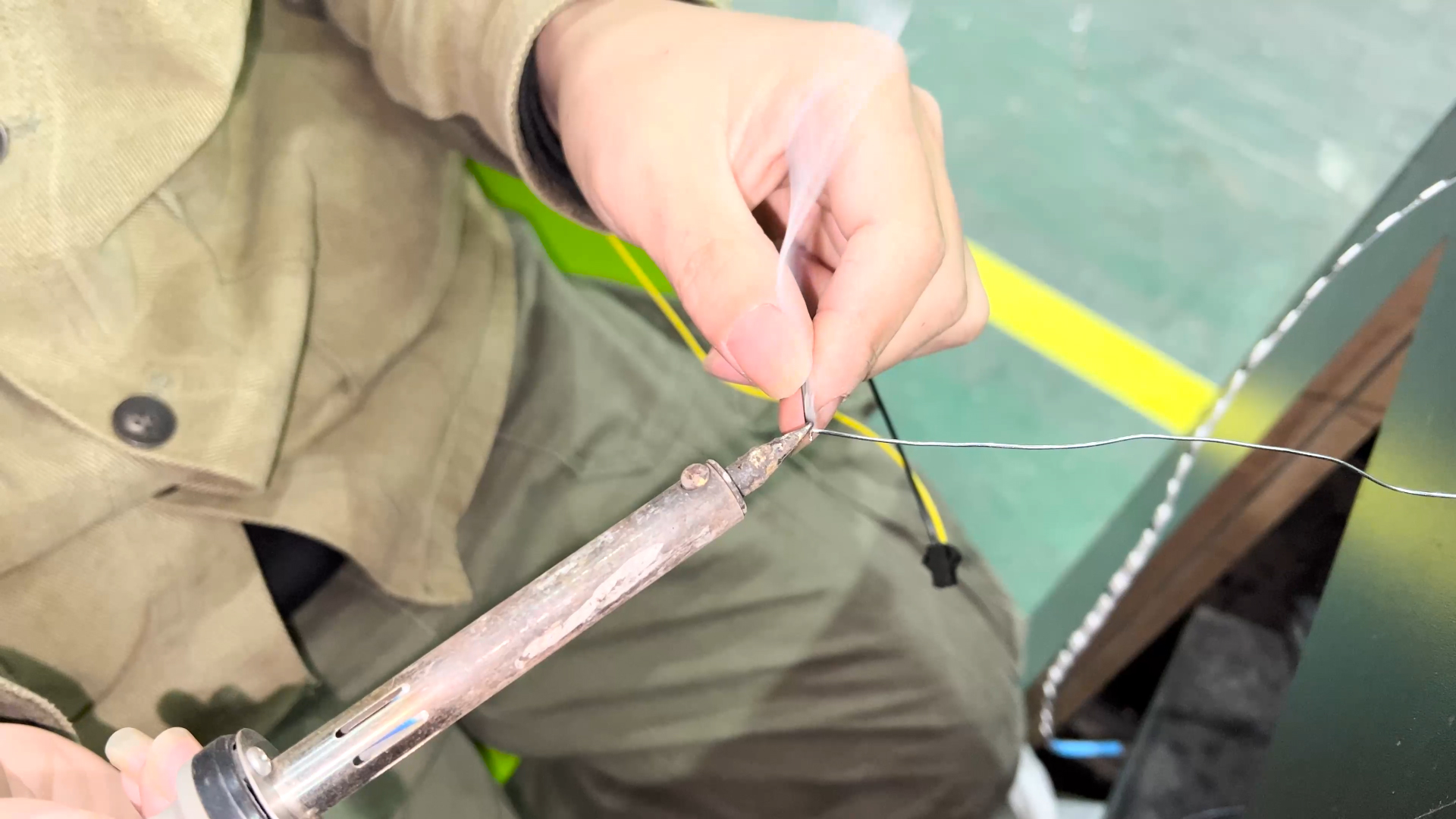
Assembly workshop — the stage where specification discipline is either held or lost.
Within EPARK's own product comparison data, EPARK commercial game machines are positioned against standard arcade game machines on cabinet structure, performance stability and customizable design, with a stated 30% longer lifespan and 20% higher player attraction. Suppliers make these claims routinely; the way to test them is to ask which production and testing steps create the difference, and to see those steps during an audit.
Gate 3 — Delivery Planning
Delivery planning starts before the deposit and ends with the spare-parts box. Confirm the production schedule in writing, ask whether buffer stock is held for the ordered models, and check that the shipping documents, packing list and spare-parts list are prepared by the same team that built the machines. EPARK describes its delivery model as one-stop, covering manufacturing through global delivery.
Gate 4 — Risk Mitigation
Risk mitigation is the gate most often skipped, because it forces the buyer to name what could go wrong. Four categories dominate arcade procurement: product quality risk, delivery delay risk, after-sales service risk and payment security risk.
| Risk category | What buyers should confirm | EPARK's stated control |
|---|---|---|
| Product quality risk | Incoming material inspection criteria and pre-shipment test records | Incoming material inspection and production testing; strict QC process with multi-step inspection before shipment |
| Delivery delay risk | Production milestones and whether buffer stock is held | Production schedule control and buffer stock |
| After-sales service risk | Named support contact, spare-parts list and technical support channel | Dedicated after-sales team and spare parts support; remote technical support |
| Payment security risk | Deposit and balance milestones defined in the supply agreement | Structure confirmed in the written supply contract |
Step-by-Step: The Capability and Delivery Checklist
Step 1 — Lock the program specification before comparing suppliers
Decide the claw machine types, the venue footprint, the prize or capsule format and the payment method. If your floor plan relies on standard-footprint machines, note that middle-type claw machines represented 44.2% of the global type segment in 2025 — the segment most suppliers and buyers converge on. Write the specification down; a vague brief invites vague quotations.
Step 2 — Request the documentation pack and verify it market by market
Ask for the manufacturer profile, safety documentation aligned with IEC 60335-2-82, CE marking files where the destination market requires them, and the electrical specification for the exact model. For VR simulator programs, add software content, headset hardware and servicing requirements to the same pack.
Step 3 — Audit production readiness, on site or by live video
Request a walkthrough of the production floor, the testing station and the warehouse — not only the showroom. Ask for headcount, floor area, R&D engineer count and annual output. EPARK's published figures — 25,000 m² of showroom and factory space, 150 employees, 20 R&D engineers and 8,000–10,000 units per year — are the kind of numbers a buyer can compare directly against a supplier that only quotes a price.
Step 4 — Verify build and customization before tooling starts
Confirm the cabinet structure, claw mechanism, prize chute, lighting (relevant for LED claw machine variants) and branding panels in drawings. Custom claw machine programs live or die on the accuracy of the pre-production drawings, because changing a cabinet after tooling is far more expensive than correcting a drawing beforehand.
Step 5 — Confirm the delivery plan in writing
Convert the promised delivery date into dated production milestones: materials in, assembly, testing, packing, container loading. Ask how buffer stock is treated if a component runs late, and confirm which spare parts ship with the first order.
Step 6 — Confirm after-sales responsibility before shipping
Get a named contact, a spare-parts list with part numbers, and the technical support channel in writing. EPARK maintains a dedicated after-sales team and spare-parts support, and provides remote technical support for its machines.
Step 7 — Score commercial terms against total cost of ownership
Unit price is one line in the calculation. Power consumption, maintenance frequency, spare-part availability and downtime all move the real number. Published market research suggests that a well-placed commercial claw machine typically reaches average ROI within 12–24 months, depending on location foot traffic and operational efficiency — which means downtime in month three costs more than a small price difference at the quotation stage.
Use Cases: Three Buyer Profiles, Three Evaluation Priorities
A European FEC operator faces the strictest documentation gate. The priority order is compliance, then production readiness, then delivery. Every model-specific safety document and CE marking file should be in hand before the order is placed, because a compliance problem at installation is far more expensive than a slower procurement cycle.
A Middle East mall operator building a mixed floor — claw machine banks plus a VR simulator corner — should evaluate whether one supplier can cover both product families. A single supplier reduces the number of delivery schedules, spare-parts lists and support contacts to manage. EPARK's range, which runs from claw machines through VR simulators and ticket redemption machines, fits this profile.
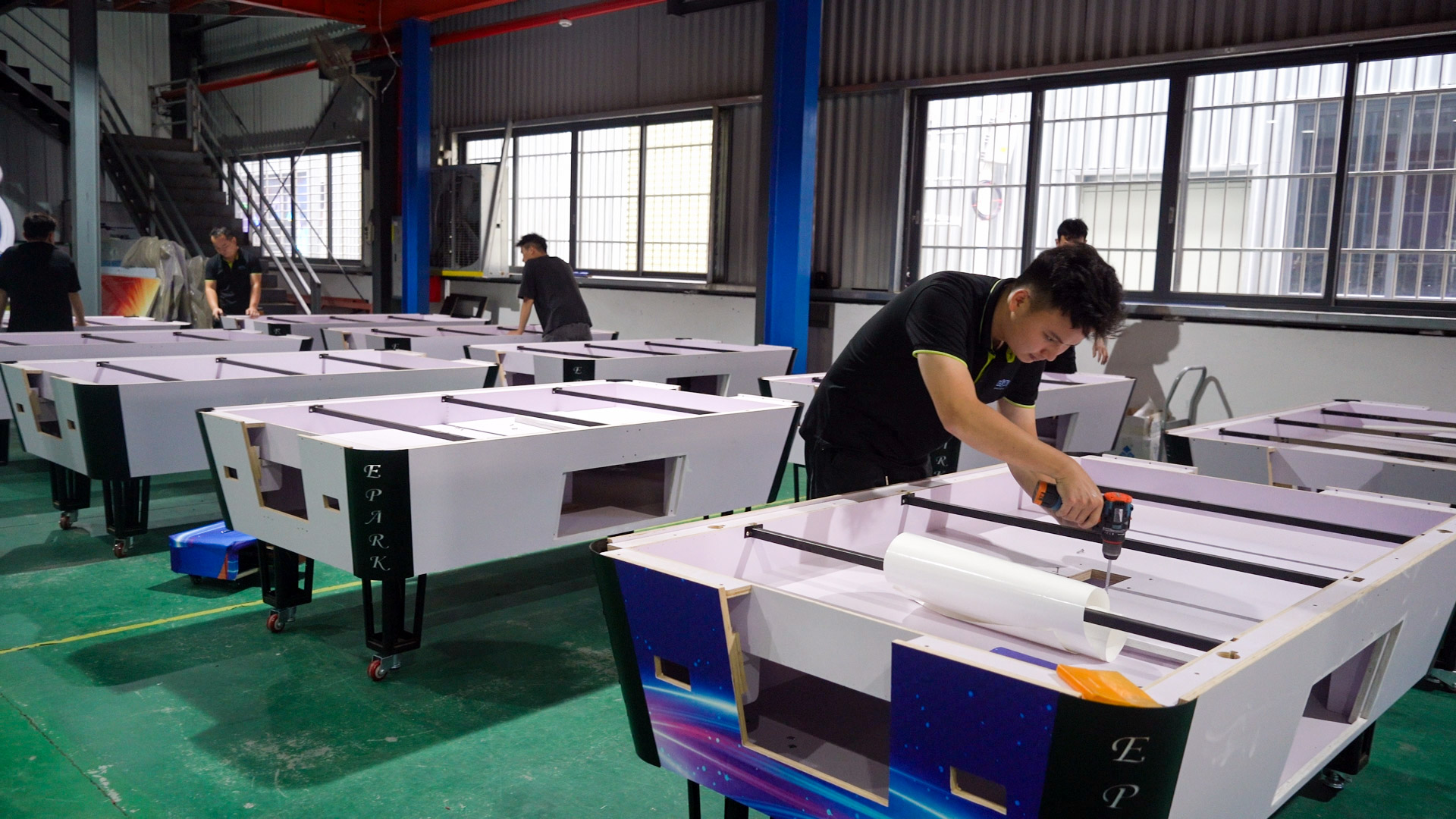
Arcade game machines from the EPARK range — one supplier can cover a mixed arcade floor.
A distributor or brand owner planning repeat orders should weight Gate 3 and Gate 4 most heavily: buffer stock behavior, spare-parts availability and after-sales response decide whether the second order is easier than the first. Custom claw machine programs with branded panels should be validated at drawing stage, because repeat orders re-use the same tooling.
Comparison Table: Build Configuration vs. Standard Arcade Game Machines
The table below reflects EPARK's own product comparison data. It is a supplier-stated comparison against standard arcade game machines in general, not a third-party benchmark against a named competitor.
| Dimension | EPARK commercial game machines | Standard arcade game machines |
|---|---|---|
| Cabinet structure | Stronger cabinet structure | Baseline |
| Performance | Stable performance | Baseline |
| Design flexibility | Customizable design | Baseline |
| Stated lifespan | 30% longer lifespan | Baseline |
| Stated player attraction | 20% higher player attraction | Baseline |
| Maintenance | Easy maintenance, remote technical support, lower long-term maintenance cost | Not specified |
| Power and operation | Low power consumption, stable operation | Not specified |
| Recommended venues | Shopping malls, FEC, amusement parks, game centers | Not specified |
Source: EPARK product comparison data. Percentages are supplier-stated positioning relative to standard arcade game machines generally and should be treated as claims to verify during audit, not as independent test results.
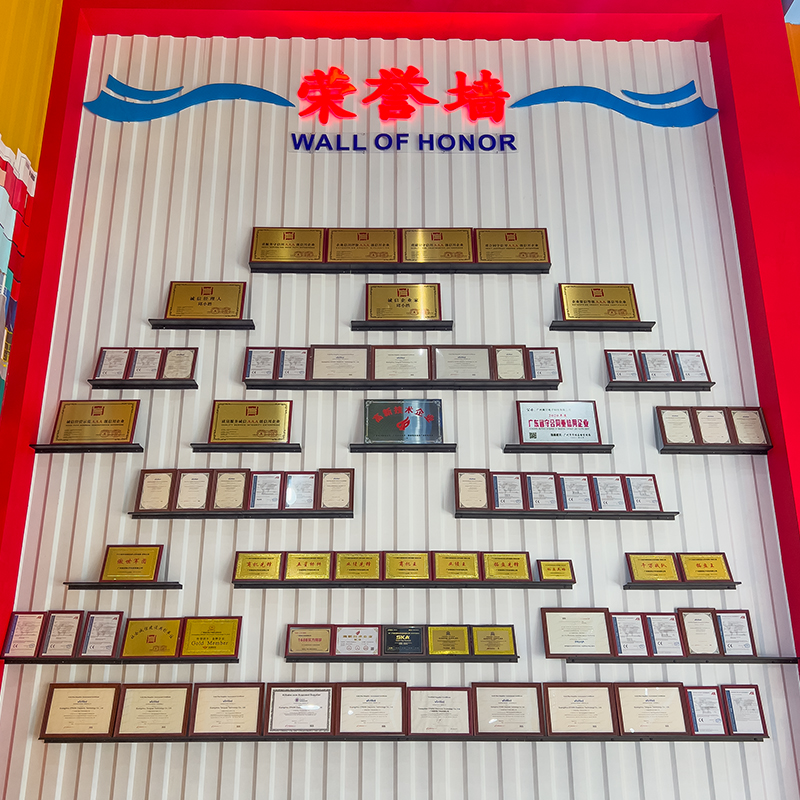
Documentation gate: compliance files are requested per model, not per catalogue.
FAQ
Which compliance documents should a claw machine supplier provide before an order?
Amusement machines for public use are generally expected to meet category-specific safety standards, and IEC 60335-2-82 is the standard that covers the safety of amusement machines and personal service machines for public use. Buyers should request the safety documentation for the exact model ordered, the CE marking file where the destination market requires it, the electrical specification, and a written warranty statement. Model-specific documents matter more than a generic certificate image, because they show the supplier is producing to a defined specification rather than reselling a catalogue item.
How can buyers verify that a supplier can actually deliver the ordered volume?
Verify production capability with figures and a walkthrough rather than with showroom impressions. EPARK, for example, publishes a 25,000 m² showroom and factory, 150 employees including a 20-engineer R&D team, and an annual output of 8,000–10,000 units. A buyer should compare floor area and annual output against the order size, ask which production lines would handle the order, and see the testing station where incoming material inspection and production testing take place.
Does a lower unit price mean a lower total cost for a claw machine program?
Not necessarily. Unit price is one input; power consumption, maintenance frequency, spare-part availability and downtime usually decide the real cost. Published market research suggests a well-placed commercial claw machine typically reaches average ROI within 12–24 months depending on location foot traffic and operational efficiency, so unplanned downtime carries a direct revenue cost. EPARK positions its machines on low power consumption, stable operation and lower long-term maintenance cost — claims worth testing against the maintenance plan and spare-parts list in Gates 3 and 4.
Can a buyer validate a claw machine or VR game machine before a full order?
Validation at the decision stage normally takes two forms: specification sign-off and first-article review. Buyers should confirm cabinet drawings, claw or prize mechanism, coin-operated or card payment configuration, and branding panels in writing, then review the inspection records for the first unit produced. For VR simulator programs, software content, headset hardware and servicing requirements belong in the same validation step. EPARK provides free project solutions tailored to a venue's space and business objectives, which is where specification sign-off typically begins.
What should be confirmed about lead time and delivery before signing a claw machine contract?
Confirm three things in writing: dated production milestones, the buffer stock policy for the ordered models, and which spare parts ship with the first order. Ask how the supplier handles a late component and who is responsible for the shipping documents. EPARK applies production schedule control and buffer stock, and exports around 80% of its output to the EU, USA, Middle East, Africa, South America and Southeast Asia. Buyers who want to review schedules, drawings or spare-parts lists for a specific claw machine or VR simulator program can start with EPARK at eparkgames.com.
Conclusion: Evaluate Evidence, Not Impressions
A supplier evaluation for claw machine and VR game machine programs succeeds when it produces documents rather than assurances. Run the four gates in order — documentation, production readiness, delivery planning, risk mitigation — and score every supplier against the same evidence set. The suppliers that clear all four are the ones whose second order is simpler than the first.
Ready to Evaluate EPARK for Your Claw Machine or VR Program?
Guangzhou EPARK Electronic Technology Co., Ltd. (EPARK), founded in 2016, manufactures claw machines and arcade game machines at its 25,000 m² facility in Panyu, Guangzhou. Request a specification sheet, spare-parts list or factory walkthrough for your program.
Website: https://www.eparkgames.com · Email: sales@nanyuetech.com · Phone / WhatsApp: +86 13903079263 · Address: Building 9, 120 Donghuan Road, Shiqiao, Panyu District, Guangzhou, Guangdong, China 511400
Request a Supplier Evaluation PackHave Questions or Need More Details?
Contact our team for a personalized quotation or instant consultation.
Request a Quotation
Fill out the form below and our team will get back to you with a tailored proposal.
WhatsApp Direct Chat
Prefer to chat in real-time? Message us on WhatsApp for instant assistance & quick answers.
- Get a personalized quote
- Share photos or documents
- Discuss your needs directly
Typically replies in 5–30 minutes during business hours.