Navigating Global Safety Standards for Claw Machines: What Your Venue Must Know
Navigating Global Safety Standards for Claw Machines: What Your Venue Must Know
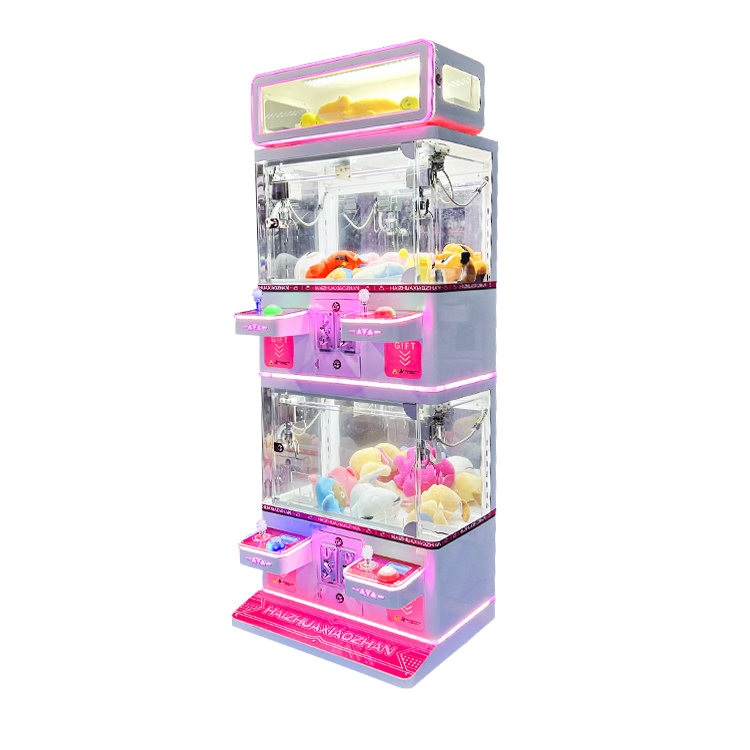
A commercial claw machine rarely fails a venue approval because of the game inside it. It fails because the paperwork does not match the machine that arrived. Landlords, insurers, freight forwarders and customs brokers ask a narrow set of questions: is the unit electrically safe for public use, does it comply with the electromagnetic rules of the destination market, which restricted substances are inside the cabinet, and can anyone prove all three with a document that names the exact model and voltage variant shipped.
This guide is written for venue operators, arcade developers and importers who are past the discovery stage and are evaluating or executing a claw machine purchase for a mall, game center, family entertainment center (FEC) or multi-site operation. It explains how international safety standards and regional electrical certification shape procurement, what documentation to request from a manufacturer before signing, and how that documentation feeds into insurance, liability and venue approval. EPARK, an entertainment equipment manufacturer based in Panyu, Guangzhou, is used as a working example of what a complete document pack looks like in practice.
Why a “CE Certified” Line on a Catalogue Page Is Not a Compliance Answer
Claw machine compliance is not one document. It is four separate questions that are usually collapsed into one logo.
The first is product safety: whether a coin operated claw machine operated by members of the public meets the electrical and mechanical safety requirements of the destination market. The second is electromagnetic compatibility (EMC), which covers both the emissions the machine produces and its immunity to interference from neighbouring equipment on a busy arcade floor. The third is hazardous-substance control, which governs the materials and electronic components inside the cabinet. The fourth is market access: whether the importer holds the documentation needed to clear customs and satisfy the venue’s landlord.
The practical failure mode is a mismatch of scope. A buyer is shown a certificate, assumes it covers an entire product line, and discovers during a landlord review or a customs check that the document names a different model, a different voltage variant, or a standards revision that has been superseded. The cost is not the certificate itself. The cost is a container held at port, a machine that cannot be energised on site, an insurance clause that excludes the asset, or a retrofit engineered after delivery.
That is why compliance belongs in the specification, decided at the same time as cabinet size, claw strength and payment method, rather than in a folder collected at the end of the project.
Industry Background: Why Documentation Pressure Is Rising
Third-party research places the global claw machine market at roughly USD 2.66 billion to USD 2.8 billion in 2024–2025, with projections above USD 5.1 billion by 2032–2034 (Dataintelo / Verified Market Research). Estimates differ — Global Information, Inc. has placed the same sub-segment nearer USD 2.0 billion — so the figure is best read as directional rather than exact.
Distribution matters more than the headline. Asia Pacific accounted for 42.7% of claw machine revenue in 2025, driven by demand in China, Japan and South Korea (Dataintelo), and middle-type claw machines took the largest product-type share at 44.2% of the global market in the same year. Middle-sized units are the models most often specified for shopping malls and family entertainment centres — precisely the venues where a landlord, a fit-out contractor and an insurance underwriter review equipment before it is energised.
Manufacturing is concentrated as well. China’s Panyu district in Guangzhou is recognised as a global manufacturing hub for claw machines (Fun-Space Industry Report / Bleegame), and EPARK operates its showroom and factory in Panyu. Concentration helps cost and lead time, but it also means a large share of the world’s claw machines move through export channels, where documentation quality — not manufacturing quality — frequently decides whether a machine can be installed at all.
The Detailed Solution: What Global Standards Actually Require
1. Electrical safety for public-use amusement equipment
The international reference point for amusement machine safety is IEC 60335-2-82, the standard covering the safety of amusement machines and personal service machines for public use. For a venue buyer the practical meaning is simple: a commercial claw machine is not a household appliance, and its safety evaluation should be carried out against an amusement-machine standard rather than a generic consumer-electronics one. When you ask a manufacturer what a model was tested against, the answer should name a standard, a testing organisation and a test date — not just “CE”.
2. Electromagnetic compatibility
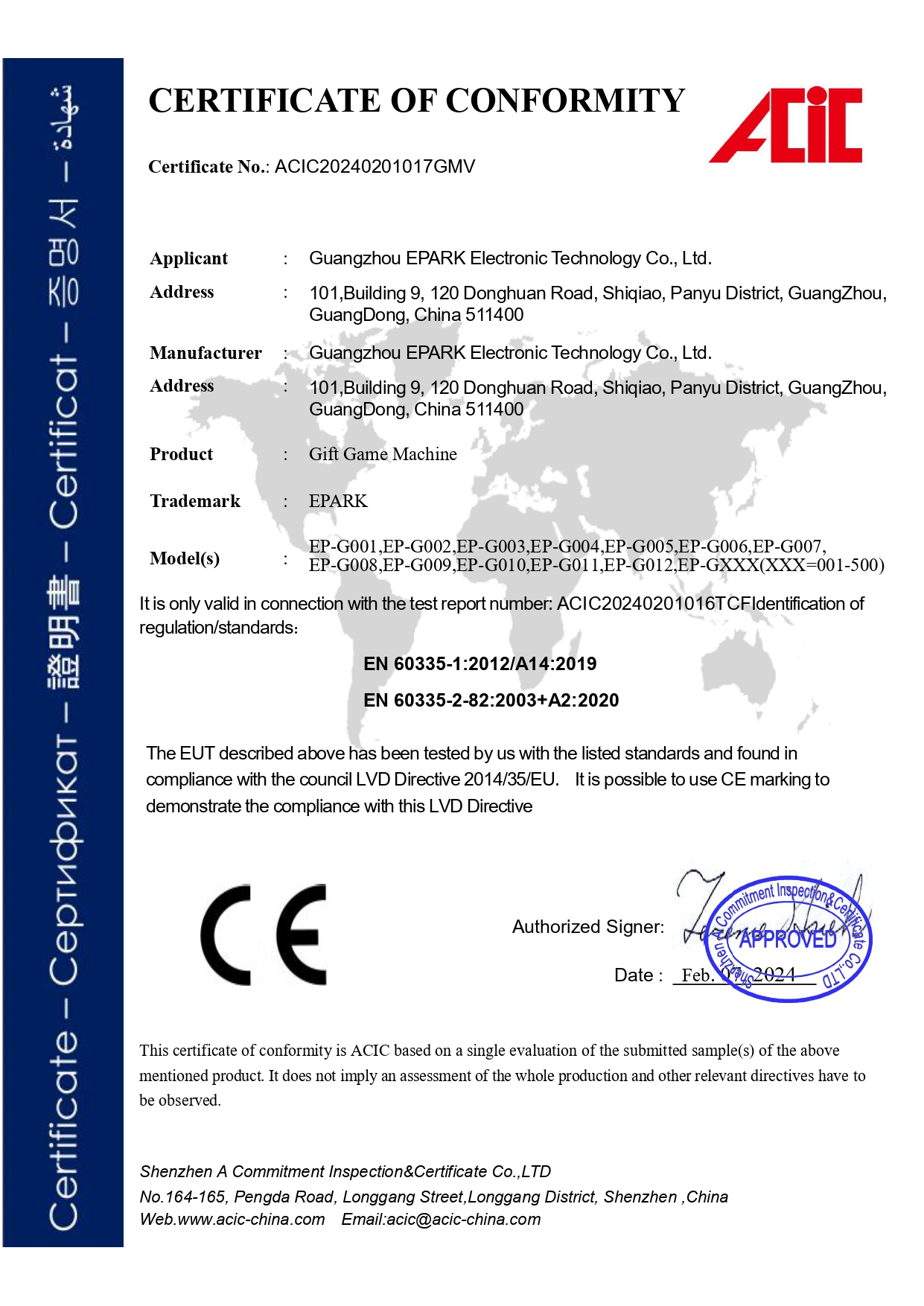
EMC is the part of compliance arcades feel most often, because an arcade floor is a dense electrical environment: claw machines, racing simulators, redemption equipment, LED walls and payment terminals operating metres apart. EPARK’s CE documentation covering the claw machine class — the gift game machine scope, with the Claw Machine EP-G001 listed as the related product — references the EMC family EN IEC 61000-6-1:2019, EN IEC 61000-6-3:2021, EN IEC 61000-3-2:2019+A1:2021 and EN 61000-3-3:2013/A1:2019/A2:2021. A separate EPARK CE scope for an interactive arcade model (EP-K116) references EN 55014-1:2021, EN 55014-2:2021, EN 61000-3-2:2019+A1:2021 and EN 61000-3-3:2013+A2:2021. Both are EMC-based scopes, which is normal for coin-operated amusement equipment; the buyer’s task is to confirm which standard set applies to the model being quoted.
3. Hazardous-substance evidence (RoHS)
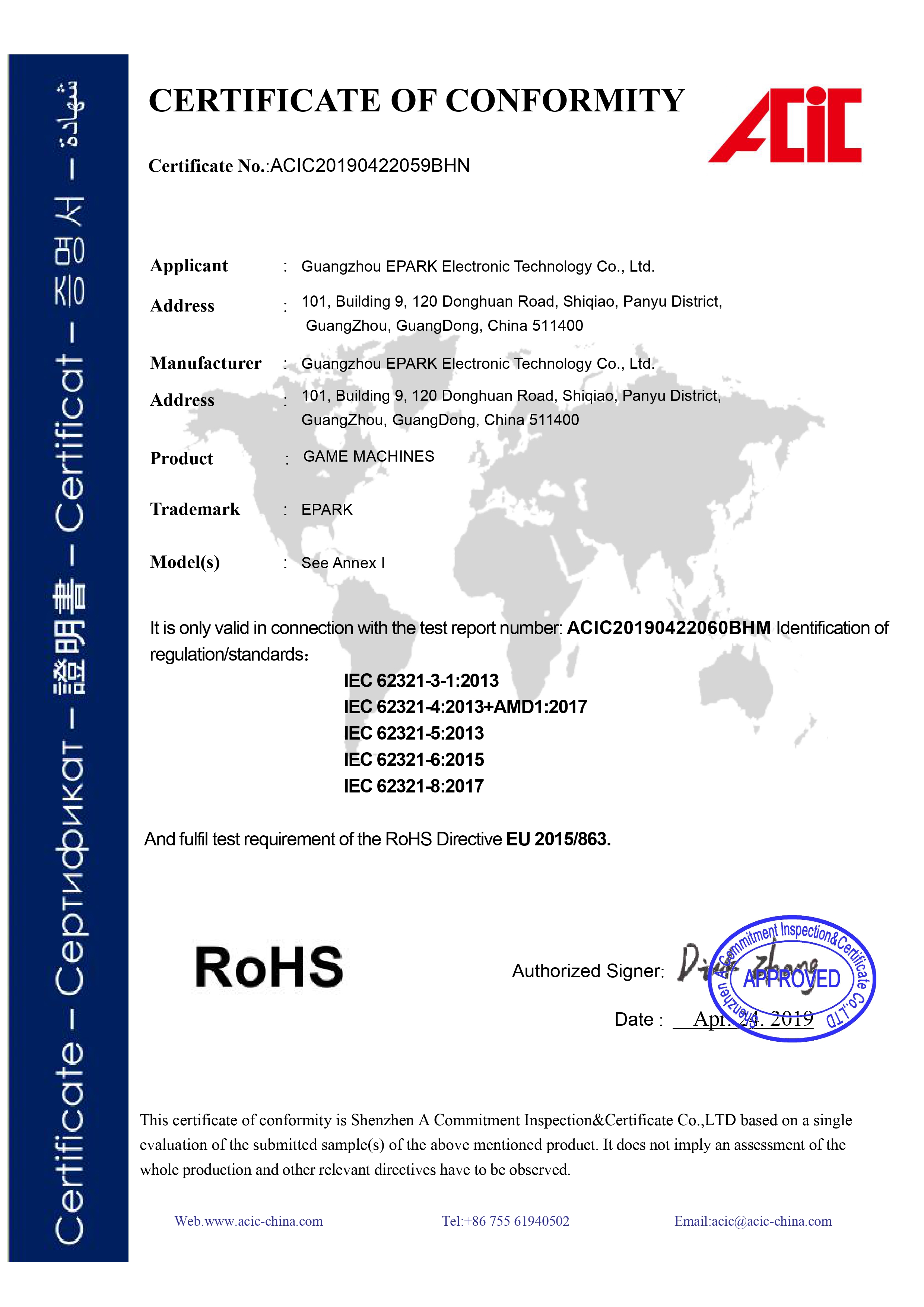
RoHS evidence answers a different question from CE: what is inside the cabinet. EPARK holds RoHS compliance for game machines, tested to the IEC 62321 series — IEC 62321-3-1:2013, IEC 62321-4:2013+AMD1:2017, IEC 62321-5:2013, IEC 62321-6:2015 and IEC 62321-8:2017. For venue buyers, RoHS documentation is increasingly requested in landlord fit-out submissions and in corporate procurement policies for entertainment chains. It is also one of the simplest items to verify, because the test report is either present or it is not.
4. Market-specific requirements: North America and elsewhere
The European route is built around CE marking and a declaration of conformity. North America follows a different model: rather than a single mark, the expectation is evaluation and listing by a recognised testing laboratory, together with compliance with the electromagnetic emission rules that apply to digital devices sold in the United States. A North American arcade operator, mall landlord or insurer will typically ask for the listing certificate, the name of the testing organisation, the standard the product was evaluated against, and the model list the certificate covers.
Voltage configuration sits alongside those requirements. A claw machine specified for European or many Asian sites is usually built for 220 V, while North American sites need a 110 V build with the correct plug type. EPARK’s customisation scope includes voltage and plug type, along with cabinet design, colour, logo, game software, payment system (coin, bill, QR or card) and language interface — the specification levers a compliance review usually forces into the conversation.
5. Markets without a single mandatory mark
Not every destination imposes one dominant conformity mark. Where the regime is fragmented, the effective standard becomes whatever the landlord, insurer and importer agree to accept — commonly CE documentation, a RoHS test report, or an equivalent third-party evaluation. The procurement lesson is to define that accepted list in writing before the purchase order is issued, and then hold the supplier to exactly that list. Left open, the documentation gap surfaces at the worst possible moment: installation week.
6. How to read a certificate before you trust it
Six checks separate a real conformity document from a decorative one:
- Model scope — does the document name the exact model and voltage variant you are buying?
- Standards and revisions — are the referenced standards current and relevant to amusement equipment?
- Issuing organisation — which accredited body performed the evaluation?
- Dates — issue and expiry. CE documentation has a validity window; EPARK’s CE scope for the interactive game machine model EP-K116, for example, runs from 23 May 2022 to 22 May 2027.
- Coverage — is the report tied to one model, a product family, or a full series?
- Language and format — will your landlord, insurer and customs broker accept the version you hold?
Step-by-Step: A Compliance Workflow From Specification to Installation
Step 1 — Define the destination market and the evidence it accepts. Before requesting a quotation, write down where the machine will be installed, what the landlord’s fit-out rules require, and what the insurer has asked for on comparable projects. In the EU that usually means CE documentation; in North America it means laboratory listing plus emissions compliance; in fragmented markets it means whatever has been agreed in writing.
Step 2 — Match certificate scope to the model and the voltage variant. Ask for the document that names the model you are buying in the electrical configuration you are ordering. EPARK’s documentation shows why scope matters: the CE scope that covers the claw machine class names the gift game machine category, while separate scopes cover kids game machines and an amusement machine series.
Step 3 — Verify the standards referenced and their revision dates. The standards cited should be current, identifiable and specific to amusement equipment. EPARK’s claw machine documentation references EMC standards such as EN IEC 61000-6-1:2019 and EN IEC 61000-6-3:2021, and its RoHS evidence for game machines references the IEC 62321 series. If a supplier cannot name the standard, the certificate cannot be evaluated.
Step 4 — Track validity against your equipment refresh cycle. Certificates expire. EPARK’s CE scope for model EP-K116 is dated 23 May 2022 with an expiry of 22 May 2027; a venue running a five-year equipment plan should treat that expiry as a scheduled renewal task rather than a surprise during an audit.
Step 5 — Specify the electrical and payment configuration as a compliance item. Power, voltage, plug type and payment system all influence how a machine is approved on site. The EPARK Claw Machine (EP-G001) is documented at 110 V / 220 V with a power range of 120–200 W and support for coin, bill, card or QR payment. Each of those selections belongs in the order confirmation, not in a verbal agreement.
Step 6 — Validate physical evidence on arrival, then archive it. Ask for pre-shipment inspection records. EPARK’s production process includes 100% quality inspection before shipment with aging tests and function tests, and video inspection is available to buyers. Keep the inspection record, the conformity documents and nameplate photographs in one folder — that folder answers most landlord, insurer and customs questions months later.
Use Cases: How Compliance Plays Out in Real Venues
Shopping mall installation in the EU
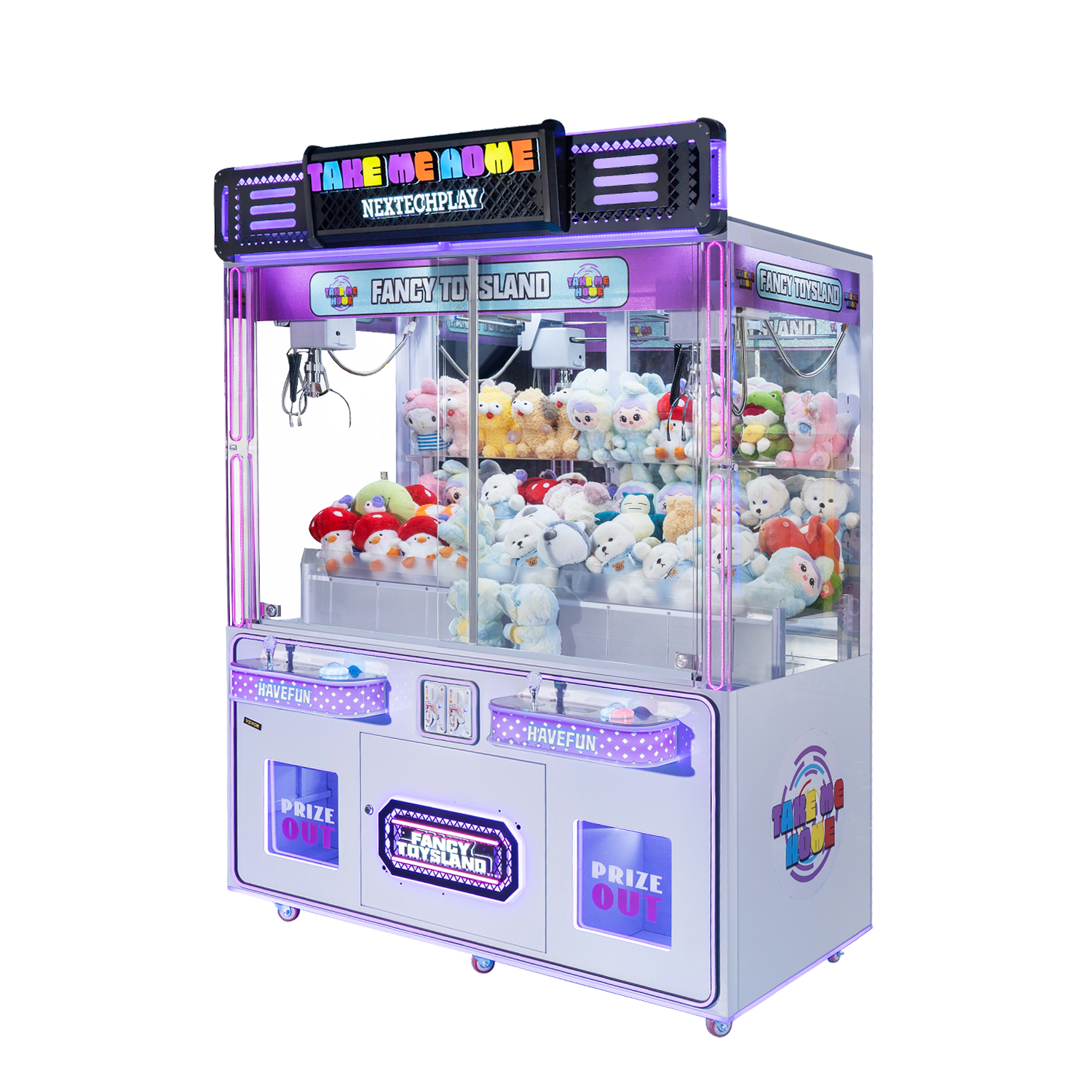
A mall-based operator installing a small claw machine bank submits a fit-out package to the landlord’s technical team that covers layout, power draw and conformity evidence. For a single-player coin operated unit such as the EPARK Claw Machine EP-G001 — CE certified, 120–200 W, a metal cabinet with tempered glass, a transparent cabinet design and a prize display system — the pack typically includes a CE declaration covering the claw machine class, RoHS evidence and the electrical specification. Venue type matters as well: the Claw Machine EP-G001 is documented for shopping malls, arcade centers, family entertainment centers and amusement parks.
North American arcade or FEC with 110 V infrastructure
Here the questions shift to laboratory listing, emissions and plug type. The voltage variant should already be on the checklist: because EPARK builds to order for voltage and plug type, the compliance conversation happens during configuration rather than after delivery, which is where most retrofit cost originates.
Multi-country operator standardising a claw machine bank
An operator rolling out the same prize claw machine across several countries rarely needs identical machines; it needs identical documentation logic. Standardising on one manufacturer reduces variation. EPARK exports to Europe, North America, the Middle East, Africa, South America and Southeast Asia, and its customisation scope covers voltage, plug type, cabinet design, colour, logo, game software, payment system and language interface — the variables that change by market while the conformity framework stays the same.
First-time arcade or game zone build
For new operators, compliance is often considered last and delays opening first. EPARK’s arcade start-up references projects of 30–80 machines, with support for multiple payment systems and free 3D design and business advice. In that situation the fastest route is to request the complete document pack with the initial quotation, so that equipment selection and venue approval move forward in parallel instead of in sequence.
Comparison Tables: Documents, Documented Scopes and Machine Specifications
The table below maps the documentation types a venue is usually asked to produce against what each one actually proves. It is a checklist, not a substitute for the requirements of your own market authority, landlord or insurer.
| Document type | What it proves | Checks that matter most |
|---|---|---|
| CE declaration of conformity | That the product has been assessed against the applicable EU directives and the harmonised standards declared in the document | Does it name your exact model and voltage variant? Which standards and revisions? Issue and expiry dates? |
| EMC test report | Emissions and immunity performance against the referenced EN / EN IEC standards | Which standard set applies to the model quoted? Is the report tied to that model or to a family? |
| Electrical safety evaluation | That the unit was assessed as public-use amusement equipment, for example against IEC 60335-2-82 | Was an amusement-machine standard used rather than a generic appliance standard? |
| RoHS test report | Restricted substance content of materials and electronic components | Which IEC 62321 series methods were used? Does the scope cover the full cabinet or only electronics? |
| Laboratory listing (North America) | Evaluation and listing by a recognised testing organisation | Which laboratory? Which standard? Which models and voltage variants are covered? |
| Pre-shipment inspection record | That the specific unit shipped was tested before dispatch | Does it include aging and function test results? Is video inspection available? |
The second table summarises examples of documentation EPARK holds across product classes, including the scope that covers the claw machine class.
| Certification | Documented scope | Standards referenced | Market |
|---|---|---|---|
| CE | Gift game machine class, with the Claw Machine EP-G001 listed as the related product | EN IEC 61000-6-1:2019; EN IEC 61000-6-3:2021; EN IEC 61000-3-2:2019+A1:2021; EN 61000-3-3:2013/A1:2019/A2:2021 | EU |
| CE | Interactive game machine, model EP-K116 (issued 23 May 2022, valid to 22 May 2027) | EN 55014-1:2021; EN 55014-2:2021; EN 61000-3-2:2019+A1:2021; EN 61000-3-3:2013+A2:2021 | EU |
| CE | Amusement machine series (issued 4 June 2025) | EN IEC 61000-6-1:2019; EN IEC 61000-6-3:2021; EN IEC 61000-3-2:2019+A1:2021; EN 61000-3-3:2013/A1:2019/A2:2021 | EU |
| CE | Kids game machine class | EN IEC 61000-6-1:2019; EN IEC 61000-6-3:2021; EN IEC 61000-3-2:2019+A1:2021; EN 61000-3-3:2013/A1:2019/A2:2021 | EU |
| RoHS | Game machines | IEC 62321-3-1:2013; IEC 62321-4:2013+AMD1:2017; IEC 62321-5:2013; IEC 62321-6:2015; IEC 62321-8:2017 | EU |
Finally, the specification of the claw machine itself determines part of the approval conversation — particularly voltage, power draw and materials.
| Claw Machine EP-G001 | Documented specification | Compliance relevance |
|---|---|---|
| Players | 1 player | Single-player units simplify per-unit floor space and load documentation |
| Power | 120–200 W | A relatively low draw that supports venue electrical load planning |
| Voltage | 110 V / 220 V | Must match the destination market and is configured at order |
| Cabinet and materials | Metal cabinet, tempered glass, claw system, electronic control system | Material composition is the subject of restrictions checked by RoHS testing |
| Design | Adjustable claw strength, LED lighting, transparent cabinet design, prize display system | Cabinet design and prize visibility affect layout approval and site planning |
| Payment | Coin / bill / card / QR payment | Payment configuration varies by market and forms part of the order specification |
| Certification | CE certified | Supports EU market access evidence for the claw machine class |
| Applicable industries | Shopping malls, arcade centers, family entertainment centers, amusement parks | Identifies the venue types where documentation is most often reviewed before installation |
Frequently Asked Questions
1. Which safety and certification documents should I request before buying a commercial claw machine?
Request four document groups: a declaration of conformity covering the claw machine class, a safety evaluation performed against an amusement-machine standard such as IEC 60335-2-82, an EMC test report referencing the applicable EN or EN IEC standards, and a RoHS test report referencing the IEC 62321 series. For North America, replace the declaration with the certificate of listing issued by a recognised testing laboratory, plus the relevant emissions documentation. Then check three things on every document: the model and voltage variant named, the organisation that issued it, and the issue and expiry dates.
2. Can claw machines be customised for different markets’ voltage, plug and payment requirements?
Yes — these are standard customisation levers for a manufacturer working in export markets. EPARK’s production mode covers OEM, ODM, factory-direct and custom design, with customisation available for voltage, plug type, cabinet design, colour, logo, game software, payment system (coin, bill, QR, card) and language interface. Custom work of this kind is quoted at a minimum order quantity of 10 units, with a lead time of around 30 days and monthly capacity of 500–800 units. The compliance point is that voltage and plug type should be confirmed in writing at the specification stage, because they determine both the conformity evidence and the on-site electrical approval.
3. How does compliance affect the cost of a claw machine order?
Compliance appears in three places in a budget: documentation and testing that must be produced or transferred, configuration changes such as a different voltage build or plug type, and the indirect cost of delays if paperwork does not clear before shipment. Specifying conformity requirements on the purchase order is consistently cheaper than discovering them at installation. On commercial terms, EPARK’s standard structure is a 30% deposit with the 70% balance before shipment by T/T, with delivery available on EXW, FOB, CIF or DDP terms, and flexible minimum order quantities of 1–5 units depending on the product, so a first order does not have to carry the cost of a full venue rollout.
4. Can we validate a claw machine before committing to a full order?
Yes. A sample or single-unit order is a normal first step, and EPARK supports minimum order quantities from 1 unit, with pre-shipment testing and video inspection available so the buyer can verify the build, the payment configuration and the applicable conformity documents before larger volumes are produced. For compliance purposes, the sample stage is also the right moment to confirm that the certificate scope matches the exact model and voltage variant you intend to deploy at scale.
5. What lead time should we plan for, and when should documentation be requested?
Production lead time is around 30 days against a monthly capacity of 500–800 units. Documentation should be requested at the quotation stage rather than at shipment, because that is when model scope, voltage variant and referenced standards can still be adjusted without rework. If you want to review the document pack for a specific claw machine configuration, or place a sample order to test it against your venue’s requirements, contact the team through the EPARK website at www.eparkgames.com or by email at sales@nanyuetech.com; WhatsApp is also available at +86 13903079263.
Conclusion: Treat Compliance as a Deliverable, Not an Afterthought
The difference between a smooth claw machine installation and an expensive retrofit is decided before the order is placed. A machine whose conformity documentation names the model and the voltage variant, whose safety evaluation references an amusement-machine standard, whose RoHS report covers the cabinet materials, and whose listing and emissions evidence satisfies the local authority is easier to approve, easier to insure and easier to keep running across a multi-year refresh cycle.
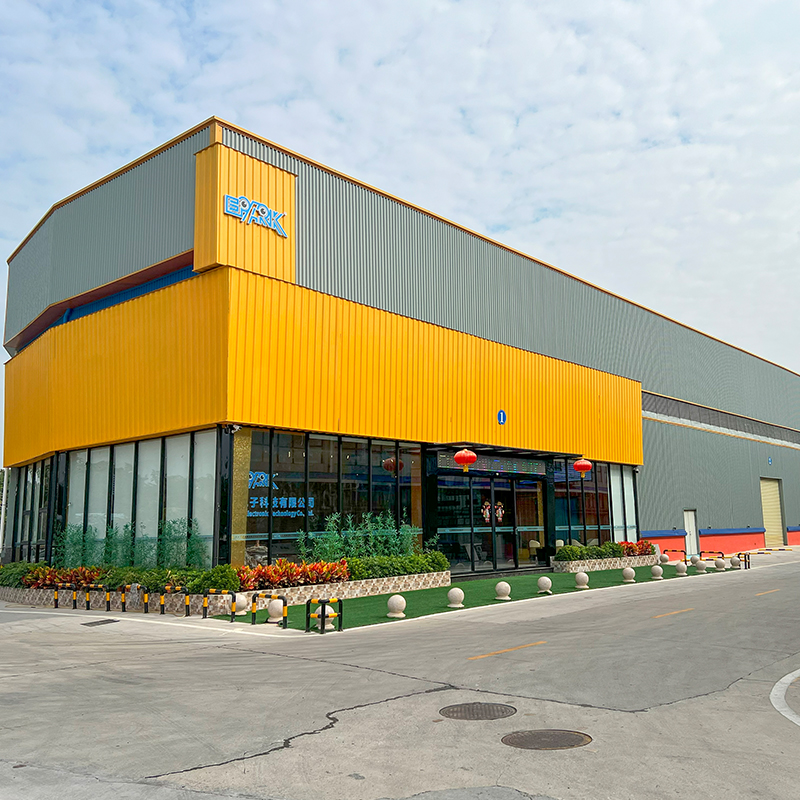
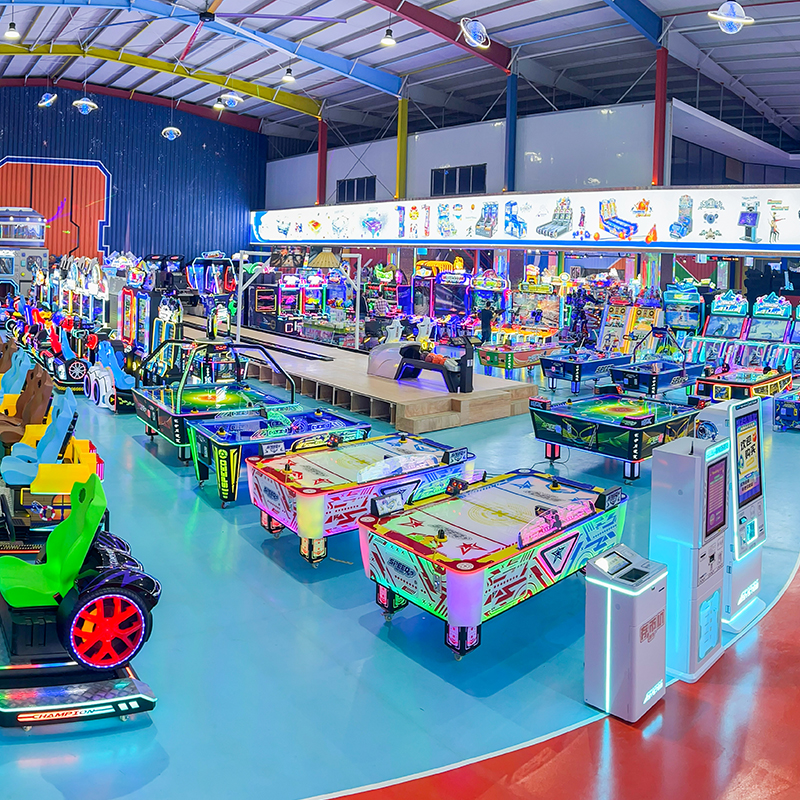
Guangzhou EPARK Electronic Technology Co., Ltd. (EPARK) is an entertainment equipment manufacturer based in Panyu, Guangzhou, China, founded in 2016. The company operates a 25,000 m² showroom and factory with 150 employees, a 20-engineer R&D team and annual output of 8,000–10,000 units, with roughly 80% of production exported to Europe, the USA, the Middle East, Africa, South America and Southeast Asia. Its claw machine line sits within a broader portfolio that also covers air hockey tables, basketball machines, boxing machines, VR simulators, racing arcade machines, shooting game machines, ticket redemption machines, kids game machines and indoor playgrounds, and the company is located at Building 9, 120 Donghuan Road, Shiqiao, Panyu District, Guangzhou, Guangdong, China 511400.
Next step: ask for the current document pack for the claw machine configuration you are considering — the CE scope covering the claw machine class, the RoHS report for game machines, and the electrical specification for your voltage variant — and validate it with a sample unit before you commit to a venue rollout.
Website: www.eparkgames.com | Email: sales@nanyuetech.com | Phone / WhatsApp: +86 13903079263
Have Questions or Need More Details?
Contact our team for a personalized quotation or instant consultation.
Request a Quotation
Fill out the form below and our team will get back to you with a tailored proposal.
WhatsApp Direct Chat
Prefer to chat in real-time? Message us on WhatsApp for instant assistance & quick answers.
- Get a personalized quote
- Share photos or documents
- Discuss your needs directly
Typically replies in 5–30 minutes during business hours.