VR Game Machine vs Traditional Claw Machine: Buyer Comparison
VR Game Machine vs Traditional Claw Machine: Buyer Comparison
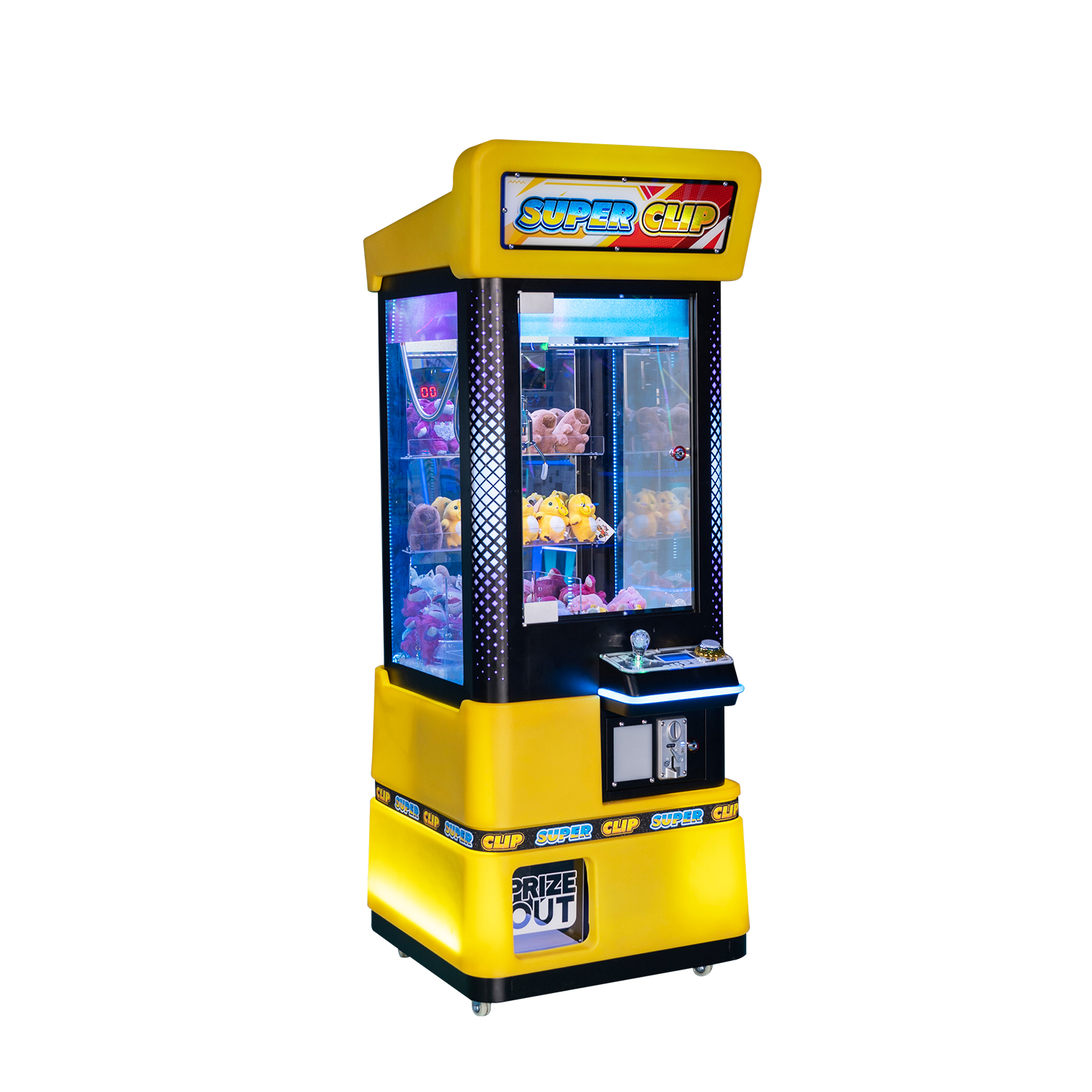
When an arcade, family entertainment center, mall game zone, or amusement venue expands its machine mix, one common question is how to choose between a traditional claw machine and a VR game machine. Both categories can be operated commercially, and both can appeal to walk-in players, but they operate on very different mechanics, power requirements, prize logic, and player expectations. This article compares two verified EPARK product models from Guangzhou EPARK Electronic Technology Co., Ltd. (EPARK): the EP-G001 coin-operated claw machine and the EP-VR096 coin-operated VR game machine.
The comparison is built around the information a buyer typically needs during research and evaluation: product category, player capacity, power, voltage, payment support, customization, certification, and venue fit. The facts below come from EPARK product specifications and the company’s publicly available capability statements. The focus is not on which machine is objectively better. It is on which machine better fits a specific venue profile, player mix, and operational plan.
Why Buyers Compare These Two Machine Lines
Buyers often compare a traditional prize claw machine with a VR simulator because both are coin-operated, both are designed for entertainment venues, and both are offered by the same type of commercial equipment suppliers. However, the procurement logic is different. A claw machine is usually selected for self-service play, visual prize display, and simple operator routines. A VR game machine is usually selected for immersive experience, content variety, and higher perceived value per session.
The product-level differences are substantial. The EP-G001 claw machine is a single-player unit. The EP-VR096 VR game machine supports one to two players. Power consumption also differs significantly: the claw machine is rated at 120–200W, while the VR machine is rated at 800–1500W. Both operate at 110V/220V, but the electrical load they place on a venue is not the same. Payment capability is also not identical. The EP-G001 supports coin, bill, card, and QR payment. The EP-VR096 supports coin, card, and QR payment.
These differences matter because buyers are not just buying a game. They are selecting a machine that must fit into a location, an electrical plan, a payment ecosystem, and a daily maintenance routine.
EP-G001: Traditional Coin-Operated Claw Machine
EPARK’s EP-G001 is described in the company product data as a coin-operated claw machine. The unit is designed for single-player operation and contains a metal cabinet, tempered glass, a claw system, and an electronic control system. Its listed power range is 120–200W and its operating voltage is 110V/220V.
Key specification points from the product record include:
Players: 1 player
Power: 120–200W
Voltage: 110V / 220V
Adjustable claw strength
LED lighting and transparent cabinet design
Prize display system
Payment support: coin / bill / card / QR
CE certified
The EP-G001 is listed as applicable to shopping malls, arcade centers, family entertainment centers, and amusement parks. Its main material structure is metal cabinet, tempered glass, claw system, and electronic control system.
From an operator perspective, the claw machine depends on tangible prizes, visible displays, and repeat attempts. The adjustable claw strength feature is a practical operating tool because it gives the venue owner or manager a way to control difficulty. The transparent cabinet and LED lighting help make the prizes visible from a distance, which is useful for attracting attention without an attendant explaining the game.
EP-VR096: Coin-Operated VR Game Machine
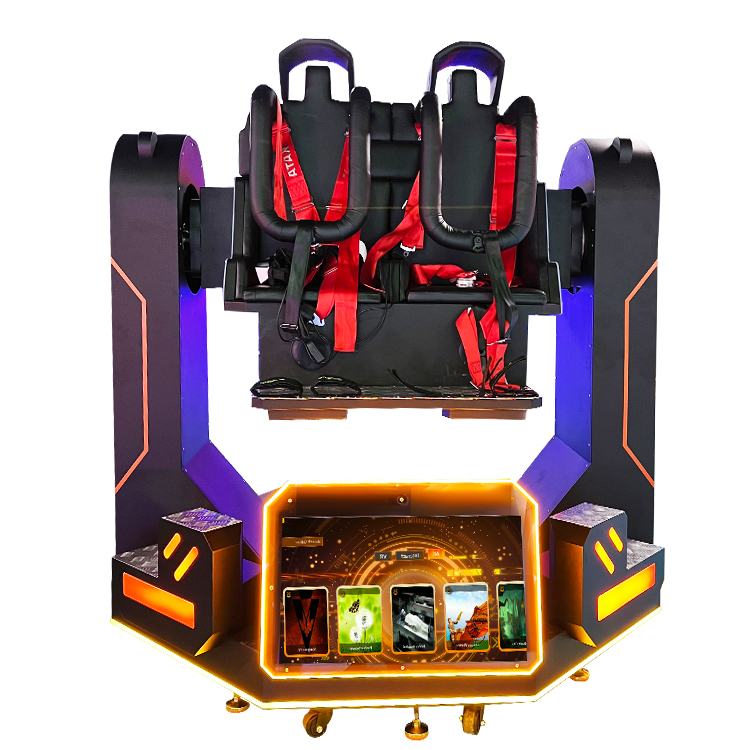
The EP-VR096 is listed as a coin-operated VR simulator, not a traditional arcade cabinet. Its construction includes a metal frame, fiberglass shell, VR system, motion platform, and electronic control system. The machine is designed for one or two players.
Specifications from the product record include:
Players: 1–2 players
VR headset: HTC / Pico optional
Screen: 42–55 inch HD display
Motion system: static / 2DOF / 3DOF optional
Games: 20–50 VR games included
Power: 800–1500W
Voltage: 110V / 220V
Payment support: coin / card / QR
CE certified
The EP-VR096 is listed as applicable to shopping malls, VR experience centers, family entertainment centers, and amusement parks.
The VR machine line is more complex in terms of hardware choices. The buyer can select an HTC or Pico headset, a static platform or a motion platform, and a 2DOF or 3DOF motion system. These choices affect both the initial configuration and the long-term maintenance requirements. The machine also includes 20–50 VR games, which means the operator is managing a content library rather than only a prize cabinet.
EP-G001 vs EP-VR096: Side-by-Side Spec Comparison
The following comparison table uses only the verified product facts in the two EPARK content records. It does not include market estimates or unverified performance claims.
| Attribute | EP-G001 Claw Machine | EP-VR096 VR Game Machine |
|---|---|---|
| Category | Coin-operated claw machine | Coin-operated VR simulator |
| Players | 1 player | 1–2 players |
| Power | 120–200W | 800–1500W |
| Voltage | 110V / 220V | 110V / 220V |
| Main hardware | Metal cabinet, tempered glass, claw system, electronic control system | Metal frame, fiberglass shell, VR system, motion platform, electronic control system |
| Visual / play features | Adjustable claw strength, LED lighting, transparent cabinet, prize display system | 42–55 inch HD display, HTC / Pico VR headset optional, static / 2DOF / 3DOF motion optional |
| Game content | Prize-based claw operation | 20–50 VR games included |
| Payment | Coin / bill / card / QR | Coin / card / QR |
| Certification in spec | CE certified | CE certified |
| Typical venues in spec | Shopping malls, arcade centers, FEC, amusement parks | Shopping malls, VR experience centers, FEC, amusement parks |
This table highlights the first-order differences. For a traditional arcade or a venue that already has a card or coin system, the claw machine is simple to install and easy for players to understand. For a destination experience zone, the VR machine offers a different type of attraction because it combines a large display, optional motion, and multiple built-in games.
Player Engagement: Prize Pull vs Immersive Experience
Player engagement in a claw machine comes from a visible outcome: the player controls the claw, tries to pick up a prize, and either wins or tries again. The EP-G001 supports this loop with a claw strength adjustment system, a prize display system, LED lighting, and a transparent cabinet. These features make the play goal visible before the game starts.
Player engagement in the EP-VR096 comes from entering a virtual environment. The machine is equipped with a VR headset and a 42–55 inch HD display, and it can be configured with static, 2DOF, or 3DOF motion. The game library includes 20–50 VR games. This type of engagement is experience-based rather than prize-based. It is more likely to appeal to players who want an adventure, racing, or simulation experience.
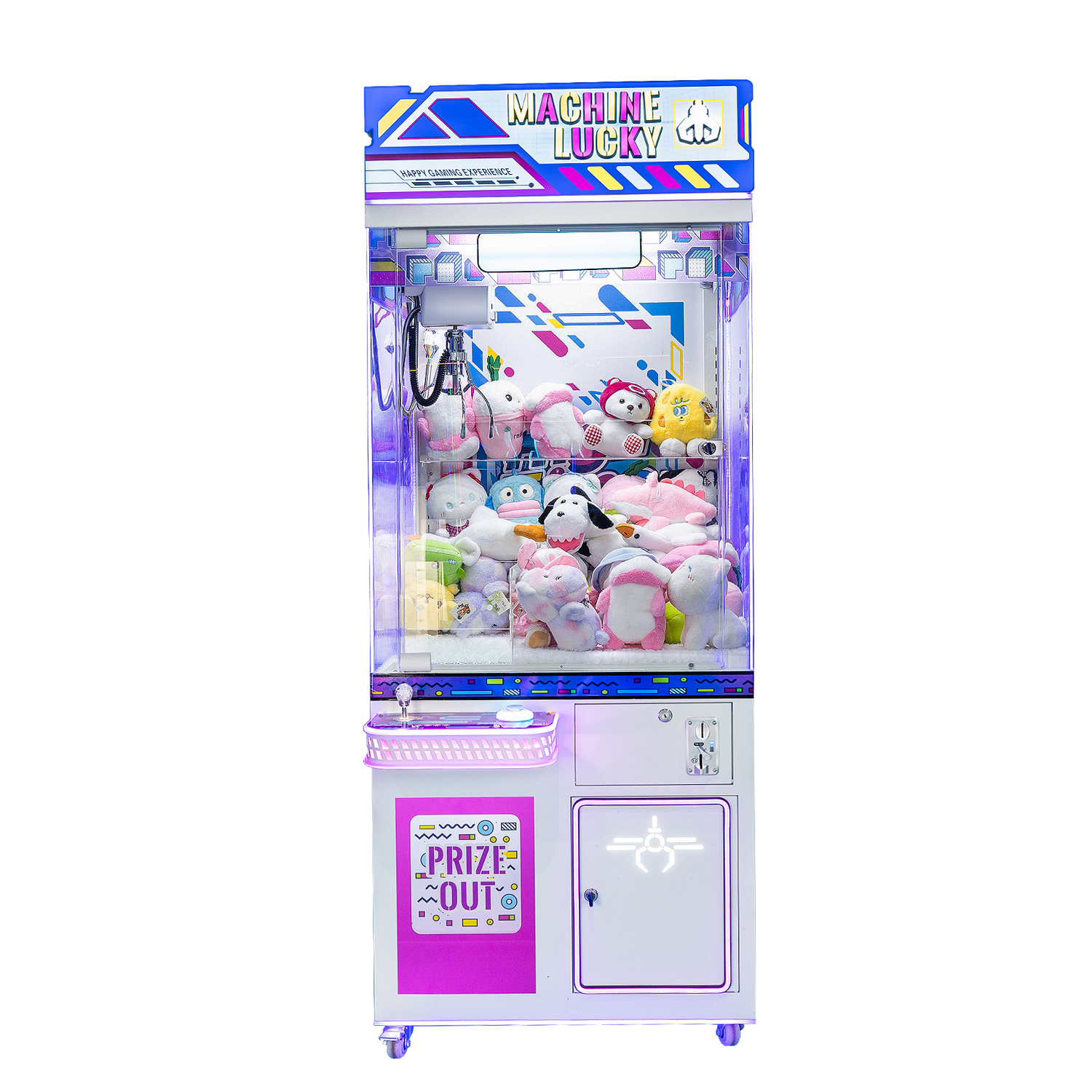
Neither engagement model is automatically better. A venue with a young family audience may respond more quickly to a claw machine because the prize is physical and the rules are instantly clear. A venue with teenagers, young adults, or groups who want a shared experience may be more interested in a VR machine with a larger field of play and motion simulation. Some venues operate both types in the same zone so that visitors who prefer prize games and visitors who prefer immersive games both have an option.
Revenue Considerations: What Can a Buyer Factually Confirm?
Published third-party data on the broader claw machine category provides one useful reference point: industry analyses cited by SkyQuest indicate that the average ROI for a well-placed commercial claw machine is typically achieved within 12–24 months depending on location foot traffic and operational efficiency. That figure is for the category and should not be treated as a promise for any specific site.
For the VR line, the supplied product data does not include a separate ROI period. What the EP-VR096 record does confirm is that the machine includes 20–50 games, supports one or two players, and can be configured with different motion systems. The revenue model for a VR machine is normally session-based rather than prize-based, but the available corpus does not contain a verified revenue comparison between the two machines. A cautious buyer should request location-specific assumptions from the supplier before making a financial projection.
On payment behavior, the EP-G001 accepts coin, bill, card, and QR payment. The EP-VR096 accepts coin, card, and QR payment. This is an operational difference. A venue that relies heavily on bill acceptors may need to confirm how its intended payment mix matches each machine.
Operational Needs: Power, Maintenance, and Content Management
Operational planning should start with electrical load. The EP-G001 claw machine draws 120–200W, which is close to the consumption of many standard commercial displays. The EP-VR096 draws 800–1500W, which is significantly higher. Both operate on 110V/220V, but the overall power draw should be reviewed with the venue’s electrical setup before installation.
The second operational difference is maintenance focus. The claw machine contains a mechanical claw system, tempered glass, and an electronic control system. The VR machine contains a VR headset, screen, fiberglass shell, and, in motion configurations, a motion platform. A motion-based VR system involves more moving hardware than a claw cabinet. The buyer should confirm spare parts support and technical guidance with the manufacturer before purchase.
The third operational area is content and prize management. The claw machine requires a supply of prizes and routine monitoring of claw strength, prize placement, and cabinet display. The VR machine includes 20–50 games and optional headset platforms; the operator should confirm how game updates, headset maintenance, and system checks are handled.
Compliance and Certification Differences
Both the EP-G001 and EP-VR096 are marked as CE certified in their respective EPARK product specifications. For an EU-market buyer, CE status is a basic compliance checkpoint, not a complete compliance program.
In EPARK’s certification records, the claw machine model EP-G001 is associated with a CE certificate for Gift Game Machine under certificate number ACIC20240201019GRC, issued by ACIC for the EU market. The relevant standards listed are EN IEC 61000-6-1:2019, EN IEC 61000-6-3:2021, EN IEC 61000-3-2:2019+A1:2021, and EN 61000-3-3:2013/A1:2019/A2:2021. For the EP-VR096, the product specification states CE certification but no separate certificate number appears in the supplied corpus. A buyer who needs a certificate for the VR model should request the actual certificate document from the manufacturer before ordering.
At the sector level, IEC 60335-2-82 is the standard referenced for the safety of amusement machines and personal service machines for public use. This is useful background for buyers who are working with venue inspectors or contractors in markets that reference IEC-based public-use equipment standards.
Venue Fit: Which Machine Goes Where
The two product records list overlapping but not identical venue categories. The EP-G001 is listed for shopping malls, arcade centers, family entertainment centers, and amusement parks. The EP-VR096 is listed for shopping malls, VR experience centers, family entertainment centers, and amusement parks.
For an arcade game center, the claw machine is a direct match because it can be placed alongside other coin-operated games and self-service attractions. For a VR experience center, the EP-VR096 is a better structural match because the facility is already set up for headsets, simulation, and high-power experience equipment.
For a family entertainment center, both machines can be considered. A claw machine can serve as a lower-entry-cost game for children and families. A VR machine can provide a higher-thrill option for older children, teenagers, and adults. Shopping malls with an entertainment corner may choose either machine depending on whether the site wants a prize-driven impulse game or a destination experience.
Factory and Sourcing Context from EPARK
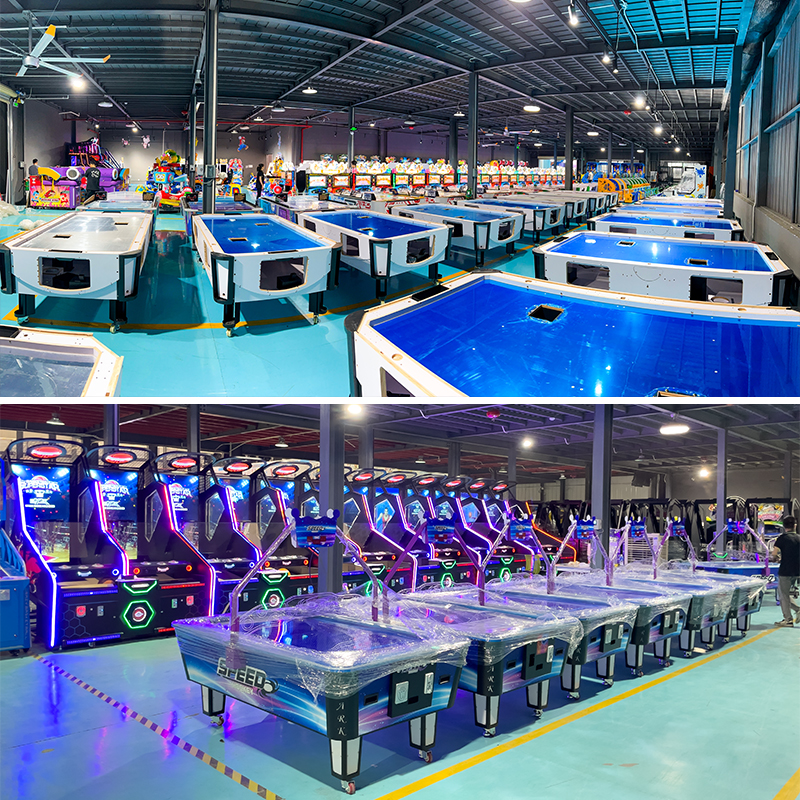
EPARK is based in Panyu, Guangzhou, and the company profile states that it has more than 25,000 square meters of showroom and factory space. Its main products include claw machines, VR simulators, air hockey tables, basketball machines, boxing machines, racing arcade machines, shooting game machines, ticket redemption machines, and children’s game machines. This matters for a buyer comparing the two product lines because both can be sourced from the same supplier rather than from separate vendors.
The company’s stated production capability is 8,000–10,000 units per year, with about 150 employees and a 20-engineer R&D team. About 80% of production is exported, with main markets in the EU, USA, Middle East, Africa, South America, and Southeast Asia.
Customization, MOQ, and Lead Time
EPARK states that it offers OEM, ODM, factory-direct, and custom design support. Customization options include voltage, plug type, cabinet design, color, logo, game software, payment system (coin/bill/QR/card), and language interface.
The company’s stated monthly capacity is 500–800 units, with a typical lead time of 30 days and a minimum order quantity of 10 units before customization. Quality control includes 100% quality inspection before shipment, plus aging tests and function tests. After-sales support is described as 24/7 online support, video technical guidance, spare parts supply, and lifetime maintenance service.
These sourcing facts are especially relevant when a buyer wants to compare configurations rather than only compare two marketing descriptions. For example, a buyer who needs a 110V version with a specific payment system and a custom logo can use the EPARK capability statement as a checklist for order confirmation.
Step-by-Step Decision Framework for Buyers
Step 1: Map the machine to the venue category. Confirm whether the venue is an arcade center, shopping mall, FEC, amusement park, or VR experience center. Then compare that category with the applicable industry listed for each model.
Step 2: Confirm electrical and payment constraints. Check the machine voltage, power range, and payment system against the venue. The EP-G001 needs less power and supports bill payment. The EP-VR096 needs more power and does not list bill payment support.
Step 3: Define the player experience. A claw machine delivers a prize-driven physical challenge. A VR machine delivers an immersive content experience with optional motion. Choose the model that matches the audience you already serve or intend to attract.
Step 4: Review the full configuration list. For the claw machine, confirm claw strength adjustment, prize display, and cabinet features. For the VR machine, confirm the preferred headset option (HTC or Pico), screen size, motion system (static, 2DOF, or 3DOF), and number of included games.
Step 5: Request a quotation with certification documents. Because EP-G001 and EP-VR096 have different structural and electrical configurations, the specification sheet should be matched to the actual order. Purchase decisions should not rely on category-level marketing statements.
Frequently Asked Questions
1. Do claw machines and VR game machines have different certification requirements?
Both the EP-G001 claw machine and the EP-VR096 VR game machine are marked as CE certified in the EPARK product data. In the supplied certification records, the EP-G001 is associated with a CE certificate for Gift Game Machine under number ACIC20240201019GRC, issued by ACIC for the EU market. For the EP-VR096, the specification states CE certification, but the supplied corpus does not include a certificate number. Buyers should request the certificate document for the exact model they plan to import.
2. What is the most important specification difference to check first?
Power and payment support are the fastest screening criteria. The EP-G001 claw machine uses 120–200W and supports coin, bill, card, and QR payment. The EP-VR096 uses 800–1500W and supports coin, card, and QR payment. If the venue cannot support the electrical load or requires bill payment, the selection may be decided before any other feature comparison begins.
3. Can a claw machine and a VR game machine operate in the same venue?
Yes, and the product data supports this because both models list family entertainment centers and amusement parks as applicable locations. Many mixed venues place a claw machine in a prize-oriented zone and a VR machine in a separate experience zone. The operator should plan for different power loads and different payment needs rather than treating the two machines as interchangeable cabinets.
4. Does the EP-VR096 VR game machine come with games?
Yes. According to the EPARK product record, the EP-VR096 includes 20–50 VR games. The buyer can also choose an HTC or Pico headset and select between static, 2DOF, or 3DOF motion configurations. These configuration choices should be confirmed in the purchase order because they affect the final machine structure and operation.
5. Can both machines be customized?
EPARK states that it supports OEM, ODM, factory-direct, and custom design. Available customization fields include voltage, plug type, cabinet design, color, logo, game software, payment system (coin/bill/QR/card), and language interface. This applies to the company’s game machine production capability as a whole, so a buyer should confirm the customization list against the actual model and configuration.
6. What are the typical MOQ and lead time?
EPARK’s stated minimum order quantity is 10 units, with a typical lead time of about 30 days and a monthly capacity of 500–800 units. Quality control includes 100% inspection before shipment, aging tests, and function tests. These figures are production-related rather than model-specific, and final lead time should be confirmed when the configuration is finalized.
Next step for buyers
If you are evaluating the EP-G001 claw machine or the EP-VR096 VR game machine for a specific venue, contact EPARK to confirm the model configuration, certification documents, payment system, and customization details before you build your financial projection.
EPARK Website: https://www.eparkgames.com
Email: sales@nanyuetech.com
Phone / WhatsApp: +86 13903079263
Have Questions or Need More Details?
Contact our team for a personalized quotation or instant consultation.
Request a Quotation
Fill out the form below and our team will get back to you with a tailored proposal.
WhatsApp Direct Chat
Prefer to chat in real-time? Message us on WhatsApp for instant assistance & quick answers.
- Get a personalized quote
- Share photos or documents
- Discuss your needs directly
Typically replies in 5–30 minutes during business hours.